


Introduction
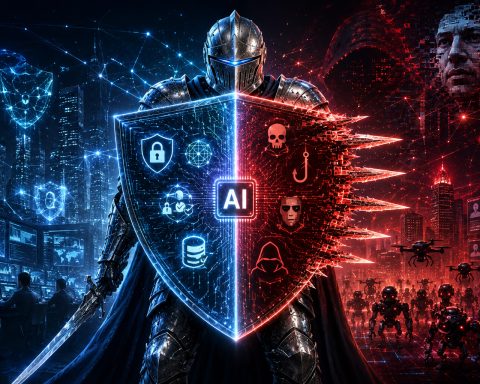
Artificial intelligence (AI) has become both one of the most powerful tools in cybersecurity and one of its greatest emerging risks. On one hand, AI enables organizations to analyze massive volumes of data, identify patterns, automate threat detection, and predict potential security breaches before they occur. On the other hand, the same technology is empowering cybercriminals to launch more sophisticated attacks through hyper-personalized phishing campaigns, deepfakes, synthetic identities, and automated social engineering that exploit human psychology rather than technical vulnerabilities.
As machine identities—including workloads, APIs, and AI agents—now vastly outnumber human identities, organizations face an expanding attack surface and growing challenges in trust, identity verification, and access management. In this new era, cybersecurity is no longer solely about protecting networks and systems; it is about safeguarding trust itself.
This article examines how organizations can navigate the double-edged nature of AI by harnessing its predictive and defensive capabilities while strengthening governance, identity security, internal controls, and human awareness to protect against increasingly sophisticated and deceptive cyber threats.
AI-Enabled Deception Exploits Human Psychology
Modern cyberattacks increasingly bypass technical defenses by targeting human psychology—specifically, the cognitive biases, emotional triggers, and social pressures that make people act irrationally or bypass security protocols. AI has amplified these tactics, making them more personalized, convincing, and scalable.
1. Exploiting Cognitive Biases and Emotional Triggers. Social engineering attacks leverage well-known psychological principles:
- Authority bias – Impersonating executives or trusted figures (e.g., via deepfakes) to bypass skepticism.
- Urgency and fear – Creating time-sensitive scenarios (“urgent action required”) to override normal verification steps.
- Reciprocity and social proof – Offering perceived benefits or mimicking trusted peer behavior to encourage compliance.
- Scarcity – Making offers or information appear limited to prompt immediate action. AI tools can now tailor these messages to an individual’s past behavior, preferences, and even stress levels, increasing the likelihood of success.
2. AI’s Role in Amplifying Deception
- Hyper-personalization – Using data to craft messages that feel authentic and relevant to the target.
- Deepfakes and synthetic media – Creating realistic audio/video impersonations of executives or public figures to manipulate trust.
- Automated phishing and scam generation – Tools like Fraud GPT can produce convincing phishing sites and emails in seconds.
- Mass-scale targeting – Deploying attacks across millions of users without manual effort, overwhelming detection systems.
3. Why Humans Are the Primary Attack Vector
Cybersecurity research shows that 98% of successful attacks rely on human manipulation rather than technical exploits. Even with advanced firewalls and encryption, attackers focus on the “human factor” because:
- People are more likely to act on emotion than on protocol.
- Stress, cognitive load, and organizational pressure reduce critical thinking!
- Trust in authority and urgency can override security awareness.
4. The Shift from Infrastructure to Human Psychology
Organizations are investing heavily in infrastructure, but attackers are shifting toward engagement-based scams—benign-sounding conversations, phishing, and deepfake impersonations—that exploit trust rather than exploit code. This is why the “frontline” of defense has moved from the network perimeter to the individual’s inbox and decision-making process.
AI-enabled deception works by combining deep psychological manipulation with synthetic media and automation. It exploits the very traits that make humans effective in social and professional contexts—trust, authority, urgency, and reciprocity—turning them into vulnerabilities. Defending against this requires not just better tech, but continuous, adaptive human training and AI-powered detection that can recognize linguistic and behavioral anomalies.
How AI is Changing Trust, Identity Verification, and Organizational Risk
AI is transforming trust, identity verification, and organizational risk in ways that are both enabling and threatening. In the “agentic era” of AI, where systems can make recommendations, trigger actions, and interact autonomously, trust is no longer about accuracy—it’s about safety and accountability. Organizations must ensure AI doesn’t just “say the wrong thing” but also “do the wrong thing,” such as taking unintended actions or misusing tools. Trust underpins both value realization and risk management, requiring robust Responsible AI (RAI) practices in strategy, governance, data, and especially agentic AI governance.
Identity Verification and Fraud
AI is reshaping identity verification by enabling continuous, contextual assurance rather than static checks. This means verifying the right person at every interaction, not just at login. However, AI also fuels identity fraud—deepfakes, synthetic identities, and AI-driven attacks are making impersonation easier and more convincing. Fraud patterns are shifting toward multi-step, coordinated attacks with higher sophistication, even as overall fraud rates may decline. According to Sumsub’s Identity Fraud Report 2025–2026, payment-method fraud now surpasses ID document fraud, showing criminals are embedding into transactional flows for instant monetization.
Organizational Risk
Identity is now the primary attack vector: 87% of organizations have experienced at least two identity-related breaches in the past year. This risk is compounded by identity sprawl. According to recent CYBERARK identity security research, machine identities, including workloads, APIs, and AI agents—outnumber human identities by more than 80 to 1, while many human identities are still managed through outdated, overly permissive access models. As a result, the attack surface grows and attackers have more chances to exploit stolen credentials and excessive privileges. Traditional, periodic access reviews are no longer enough; continuous, integrated identity security is essential.
Strategic Implications
- Trust: Invest in AI governance frameworks that cover autonomy, accountability, and explainability.
- Identity Verification: Move from passwords and MFA to verified trust—biometrics, behavioral analytics, and continuous context-aware checks.
- Risk Management: Treat identity as a core security function, not a silo, with real-time monitoring and adaptive controls.
In short, AI is both a trust enabler and a trust disruptor, forcing organizations to evolve from reactive security to initiative-taking, integrated trust and identity management.
AI + Cybersecurity – A Double-Edged Sword
AI techniques are employed to anticipate security breaches, each offering unique strengths in identifying and mitigating threats:
- Machine Learning: Machine learning algorithms analyze historical data to identify patterns linked to breach attempts. By learning from past incidents, they can predict potential threats and flag suspicious activity that falls outside normal behavior.
- Anomaly Detection: Anomaly detection systems utilize AI to identify deviations from typical user behavior or network activity. These systems are effective in spotting unusual events that may indicate an impending breach, even when the threat is novel or previously unseen.
- Behavioral Analytics: AI-driven behavioral analytics monitor user actions over time, establishing baselines for normal behavior. When deviations occur, the system generates alerts, enabling security teams to investigate and respond proactively.
The application of AI to breach anticipation offers several significant benefits:
- Proactive Defense: By predicting threats before they occur, AI empowers organizations to implement preventive measures, reducing the likelihood of successful attacks.
- Reduced Impact: Early detection enables rapid response, minimizing the damage caused by breaches and preserving sensitive data.
- Resource Optimization: AI automates threat analysis and prioritizes alerts, allowing security teams to focus on critical issues and allocate resources more effectively.
While AI holds promise for breach anticipation, several challenges must be addressed to ensure its effectiveness:
- Data Quality: AI models require high-quality, representative data to function accurately. Incomplete or biased datasets can lead to erroneous predictions and overlooked threats.
- False Positives: Overly sensitive AI systems may generate excessive false positives, overwhelming security teams and diluting attention from genuine threats.
- Ethical Concerns: The use of AI in cybersecurity raises ethical questions regarding privacy, surveillance, and the potential for misuse. Ensuring transparency and fairness in AI-driven decisions is essential.
Examples of Security Breaches with AI
- Data Leakage through AI Chatbots: In several cases, employees have inadvertently shared confidential business information with AI-powered chatbots, which can then be accessed by unauthorized parties if proper safeguards are not in place.
- AI-Powered Phishing Attacks: Cybercriminals use AI to craft highly convincing phishing emails, targeting individuals and organizations by mimicking legitimate communication, increasing the success rate of these attacks.
- Model Inversion Attacks: Attackers exploit AI models to reconstruct sensitive training data, such as personal health records or financial information, from the outputs of the model.
- Deepfake Manipulation: AI generated deepfakes have been used to impersonate executives during video calls, tricking companies into transferring funds or sharing sensitive information.
Types of Security Breaches That Can Impact AI
- Data Poisoning: Attackers manipulate training data to negatively influence AI models, causing them to make incorrect predictions or decisions.
- Model Theft: Unauthorized access to and extraction of proprietary AI models, leading to intellectual property loss and potential misuse.
- Adversarial Attacks: Specially crafted inputs are designed to trick AI systems into making errors, undermining reliability and security.
- Privacy Breaches: Sensitive information processed by AI can be exposed or leaked through vulnerabilities in data handling or model inference.
- Model Inversion: Attackers reconstruct training data from AI models, potentially revealing confidential or personal information.
- Unauthorized Access: Weak authentication or access controls can allow intruders to manipulate or misuse AI systems.
Security flaws in AI systems, such as weak authentications or lack of encryption, have allowed hackers to gain access to AI solutions. To minimize or stop breaches of AI:
- Robust Access Controls: Implement strict authentication and authorization mechanisms to limit access to AI systems and sensitive data.
- Encryption: Use advanced encryption methods for data at rest and in transit to protect information from unauthorized access.
- Regular Audits and Monitoring: Continuously monitor AI operations and conduct periodic audits to detect suspicious activity or vulnerabilities early.
- Adversarial Testing: Employ adversarial attacks and penetration testing to identify and fix weaknesses in AI models before they can be exploited.
- Secure Model Deployment: Use secure environments and containers for deploying AI models, ensuring that only trusted code is executed.
- Data Privacy Techniques: Apply privacy-preserving methods such as differential privacy to protect user data processed by AI systems.
- Patch Management: Keep all software, frameworks, and dependencies up to date to reduce risk from known vulnerabilities.
- Incident Response Plans: Develop and maintain clear response procedures to quickly contain and remediate breaches if they occur.
- Employee Training: Educate staff about AI security best practices and potential threats to reduce human error.
Combining these solutions can significantly reduce the likelihood and impact of AI breaches, helping organizations maintain trust and compliance.
Building a Cohesive Cybersecurity Strategy
To build a cohesive cybersecurity strategy, you need organizational alignment across functions working together to protect assets, ensure compliance, and maintain stakeholder trust. Consider the following:
- Joint Risk Assessments: CFOs and CISOs should conduct integrated risk assessments that evaluate cyber threats relevant to internal control over financial reporting (ICFR). This ensures that cybersecurity measures are aligned with financial reporting obligations.
- Cyber Accounting Expertise: Develop or hire “cyber accountants” who combine accounting knowledge with cybersecurity skills to protect financial data and provide assurance on cyber risks.
- Financial Risk as a Priority: Treat cyber risk as a material financial risk, not just an IT issue. Assess impacts on cash flow, compliance, insurance, and investor confidence.
- Controls and Compliance: Align cybersecurity frameworks (e.g., NIST, SOC) with financial systems controls to strengthen audit readiness and regulatory compliance.
- Brand and Trust Protection: Communicate the organization’s cybersecurity posture to customers and partners, reinforcing trust and confidence in financial services.
- Incident Communication Strategy: Develop clear, consistent messaging for cyber incidents to minimize reputational damage and maintain customer loyalty.
- Customer Education: Use marketing channels to educate customers on phishing, ransomware, and other threats, reducing vulnerability and building a security-aware culture.
Cross-Functional Collaboration
- Shared Governance: Establish cross-functional steering committees to ensure all key functions are represented in risk planning, decision-making, and response efforts.
- Integrated Reporting: Ensure that cybersecurity-related financial impacts (e.g., breach costs, insurance claims) are reflected in reporting, marketing communications and investor disclosures.
- Unified Incident Response: Coordinate with IT, legal, and communications teams so that financial, marketing, and operational responses are synchronized during cyber incidents.
By aligning these functions, organizations can better protect financial assets and ensure accurate, timely reporting while also strengthening their ability to meet regulatory and compliance requirements. This integrated approach supports stronger brand integrity and sustained customer trust, and it also helps reduce financial losses from cyber incidents through more proactive and coordinated risk management.
Governance and Executive Risk
AI is becoming a board-level issue because it can now materially affect the same areas boards are already obligated to oversee strategy, risk, compliance, financial stewardship, and stakeholder trust.
Boards have a clear fiduciary responsibility to oversee major risks and opportunities. AI now directly influences strategic decisions, operating models, workforce planning, cybersecurity, customer experience, and capital allocation. Because AI can materially affect performance or expose the company to significant harm, directors are expected to understand its implications well enough to provide meaningful oversight.
AI also introduces reputational exposure, as failures can spread quickly and damage brand credibility through biased or unfair outputs, inaccurate or fabricated responses, misuse of data, or misleading AI-generated content, all of which can erode customer trust and investor confidence.
Regulatory and legal risk is another consideration as governments increase scrutiny around privacy, data governance, explainability, discrimination, intellectual property, consumer protection, and model accountability. Boards must actively monitor evolving requirements and ensure management has effective controls in place even as laws continue to develop.
AI has a direct impact on trust inside an organization. If people feel it is unclear how AI is being used, not properly explained, or not open to review, employees, customers, and partners can lose confidence. Because trust affects how people adopt new tools, how teams work together, and whether they stay with the company, it needs ongoing board attention—not just as a messaging issue, but as a core business concern.
Conclusion
In the end, AI is redefining cybersecurity as more than a technical discipline—it is becoming a question of trust, identity, and resilience. The same systems that help organizations anticipate and prevent breaches are also being used to create more convincing, scalable, and psychologically targeted attacks that bypass traditional defenses and exploit human behavior. As a result, security is no longer confined to protecting networks and infrastructure, but extends to safeguarding decisions, identities, and confidence across the entire organization.
This dual reality means that success in the AI era will depend not only on stronger tools, but on stronger alignment—between technology, governance, and people. Organizations that can combine predictive AI defenses with robust identity security, clear accountability, and continuous employee awareness will be better positioned to stay ahead of evolving threats.
Ultimately, the central challenge is not just stopping breaches—it is preserving confidence in an environment where both attackers and defenders are increasingly powered by AI. Those who succeed will be the ones who recognize that in the AI era, cybersecurity is not only about protecting systems but about protecting the trust that those systems depend on.