


Artificial Intelligence (AI) is rapidly transforming industries, creating new opportunities and challenges for organizations. As companies strive to leverage AI technologies for competitive advantage, the importance of organizational and succession planning has become increasingly apparent. These strategic processes ensure that organizations are prepared to adapt, grow, and thrive in an AI-driven landscape.
Integrating Organizational and Succession Planning in AI Strategies
To maximize the benefits of AI, organizations should integrate organizational and succession planning into their overall AI strategy. This includes:
- Regularly assessing the skills and leadership needs required for AI initiatives.
- Investing in training and professional development for current and future employees.
- Establishing mentorship and knowledge-sharing programs to build internal expertise.
- Creating adaptable structures that support rapid innovation and cross-functional collaboration.
Organizational and succession planning are not peripheral concerns—they are essential to the successful development, deployment, and scaling of AI technologies. By proactively addressing these areas, companies can build resilient, agile teams capable of leveraging AI to drive innovation and long-term success. Overall, organizational and succession planning are critical to ensuring business continuity and stability, especially for large companies. In recent years major corporations like Disney, Starbucks and Tesla, have experienced challenges related to succession plans in top leadership roles. AI has added another layer of complexity for succession planning.
Succession Planning: Ensuring Business Continuity and Expertise
Succession planning focuses on identifying and developing future leaders and key contributors within an organization. In relation to AI development, succession planning is vital for several reasons:
- Talent Pipeline: The demand for AI expertise is high, and the field evolves rapidly. Succession planning ensures that organizations have a steady pipeline of skilled professionals who can lead and sustain AI initiatives.
- Knowledge Transfer: AI projects often depend on specialized knowledge. Succession planning facilitates the transfer of critical expertise, reducing the risk of project delays or failures due to employee turnover.
- Leadership Development: Effective AI adoption requires leaders who understand both the technical and strategic aspects of technology. Succession planning helps develop leaders capable of navigating the complexities of AI implementation.
- Risk Mitigation: By preparing for unexpected departures or retirements, organizations can maintain momentum in their AI projects and avoid disruption.
Organizational Planning: Laying the Foundation for AI Success
Organizational planning involves aligning a company’s structure, culture, and resources to achieve its strategic goals. In the context of AI development, effective organizational planning is essential for several reasons:
- Resource Allocation: AI projects require specialized talent, infrastructure, and investment. Organizational planning helps identify and allocate the necessary resources to support successful AI initiatives.
- Change Management: AI adoption often involves significant changes to business processes and workflows. Planning ensures that the organization is prepared to manage these changes, minimizing resistance and disruption.
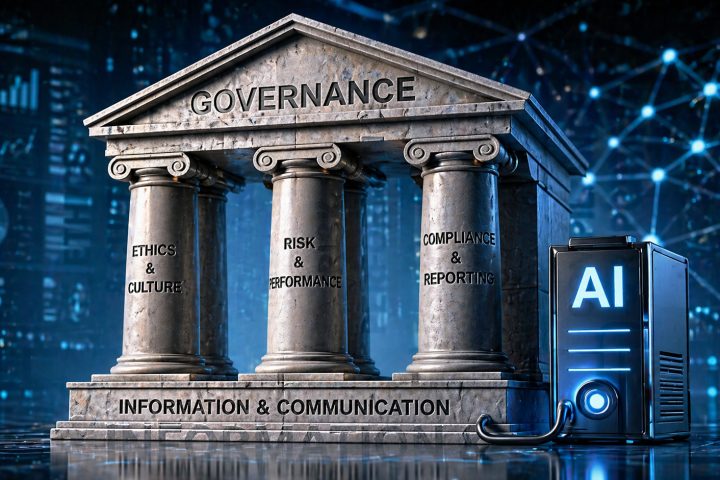
- Governance and Ethics: Establishing clear policies and governance structures is critical to ensure responsible AI development, particularly regarding data privacy, bias mitigation, and compliance.
- Collaboration and Communication: AI projects are multidisciplinary, often requiring collaboration between IT, data science, business units, and external partners. Organizational planning fosters effective communication and teamwork across the enterprise.
Developing an effective organizational structure is essential for any business or institution aiming to achieve its goals, streamline operations, and foster growth.
Organizational Structure
A structured organization ensures that critical operations can continue smoothly in the face of disruptions—like leadership changes, emergencies, or market shifts.
A well-designed structure supports business continuity and includes clearly defined roles, responsibilities, and relationships within the organization, enabling efficient decision-making, communication and delegation.
1. Types of Organizational Structure
- Functional Structure: Organizes employees by specialized roles or departments (e.g., marketing, finance).
- Divisional Structure: Groups operations by product lines, markets, or geography.
- Matrix Structure: Combines functional and divisional structures, often leading to dual reporting relationships.
- Flat Structure: Has few management layers, encouraging a more collaborative and flexible environment.
Evaluate your existing organizational structure to identify strengths, weaknesses, and areas for improvement. Gather feedback from employees at various levels to understand what works well and what challenges they face.
2. Define Key Functions and Roles
List all essential functions needed to achieve your objectives. These might include sales, marketing, finance, operations, human resources, and customer service. For each function, define specific roles and responsibilities. Ensure there is clarity on who does what and how different roles interact.
3. Establish Reporting Relationships and Hierarchies
Define the chain of command and reporting lines. Clearly outline who reports to whom and how authority flows within the organization. This clarity prevents confusion and ensures accountability.
4. Document and Communicate the Structure
Create an organizational chart to visually represent the structure, roles, and reporting relationships. Share this chart and support documentation with all staff to ensure everyone understands their place in the organization and how they contribute to overall goals.
5. Implement the Structure
Roll out the new structure, making necessary adjustments to job descriptions, workflows, and reporting systems. Provide training and support to help employees adapt to their new roles and responsibilities.
6. Monitor and Adjust as Needed
Regularly review the effectiveness of the organizational structure. Solicit feedback, measure performance, and be prepared to make changes as your organization grows or as new challenges arise. Flexibility is key to long-term success.
Succession Planning: The Right Way
Succession planning is a strategic process that ensures an organization is prepared for the future by identifying and developing new leaders to replace those who leave, retire, or move to other positions. When done the right way, succession planning not only secures business continuity but also fosters talent development, employee engagement, and organizational resilience.
Why Succession Planning Matters
- Business Continuity: Reduces risk of leadership gaps and ensures critical roles are always filled.
- Talent Retention: Motivates employees by providing clear career paths and growth opportunities.
- Organizational Stability: Minimizes disruption during transitions and maintains stakeholder confidence.
- Knowledge Transfer: Preserves institutional knowledge by facilitating smooth handovers.
The Right Way to Approach Succession Planning
1. Align Succession Planning with Strategic Goals
Succession planning should be directly linked to your organization’s long-term vision and strategic objectives. Identify key roles critical to achieving these goals and prioritize succession efforts accordingly.
2. Identify Key Positions and Competencies
Determine which roles are mission-critical and define the skills, experiences, and leadership qualities required for success in these positions. This helps focus development efforts on the most impactful areas.
3. Assess and Develop Internal Talent
- Talent Assessment: Use performance reviews, potential assessments, and 360-degree feedback to identify high-potential employees.
- Development Plans: Provide targeted training, mentorship, and stretch assignments to prepare candidates for future roles.
4. Create a Transparent Process
Communicate openly about the purpose and process of succession planning. Transparency builds trust, reduces uncertainty, and encourages employee participation and engagement.
5. Involve Leadership at All Levels
Succession planning is not just an HR function; it requires active involvement from current leaders to mentor and champion future successors. Encourage leaders to play a hands-on role in talent development.
6. Monitor, Review, and Update Regularly
Succession planning is an ongoing process. Review plans annually or as organizational needs change and adjust development strategies accordingly. Track progress and update succession pipelines to reflect promotions, departures, and evolving business priorities.
7. Prepare for Unexpected Changes
While planning for known retirements or transitions is essential, organizations must also be ready for unexpected departures. Maintain emergency succession plans and cross-train team members to ensure business continuity under any circumstances.
Common Mistakes to Avoid
- Focusing only on executive roles and ignoring other critical positions.
- Keeping succession plans secret, leading to disengagement and rumors.
- Failing to provide development opportunities for potential successors.
- Neglecting to review and update plans as the organization evolves.
Combining Organizational Planning with Succession Planning
Organizational planning and succession planning are two critical processes that ensure a company’s growth, stability, and longevity. While organizational planning focuses on setting strategic goals, allocating resources, and structuring operations, succession planning is centered around identifying and developing future leaders for key positions. Combining these two approaches allows organizations to align their talent development efforts with their long-term objectives, ensuring that the right people are in place to drive the company forward.
Understanding Organizational Planning
Organizational planning is the process of defining a company’s direction and making decisions on allocating resources to pursue this direction. It involves:
- Setting long-term and short-term business objectives
- Developing strategies to achieve these objectives
- Structuring teams and departments
- Managing resources, including personnel
Understanding Succession Planning
Succession planning is the systematic process of identifying and developing internal talent to fill key leadership roles in the future. It includes:
- Recognizing critical positions and roles within the organization
- Assessing current employees’ skills, performance, and potential
- Providing training, mentorship, and growth opportunities
- Creating a pipeline of capable leaders ready to step into essential roles
Integrating Organizational and Succession Planning
To maximize effectiveness, organizations should integrate succession planning with their overall strategic and organizational planning. Here’s how this integration can be achieved:
- Align Talent Development with Strategic Goals
- When setting organizational objectives, identify the leadership capabilities required to achieve them. Use these insights to inform succession planning, ensuring that future leaders possess the skills and competencies needed for the company’s direction.
- Identify Critical Roles Based on Organizational Structure
- Use organizational planning to determine which roles are vital for the company’s success. Focus succession planning efforts on these positions, ensuring continuity in areas that drive strategic outcomes.
- Incorporate Succession Planning into Workforce Planning
- As part of resource allocation, include succession planning in workforce planning activities. This ensures that development programs, mentorship opportunities, and recruitment efforts are aligned with both current and future organizational needs.
- Monitor and Adjust Plans Regularly
- Both organizational and succession plans should be dynamic. Regularly review and adjust these plans in light of business changes, market trends, and internal talent development progress.
- Foster a Culture of Continuous Development
- Encourage a culture where employees at all levels are engaged in learning and development. This not only supports succession planning but also helps realize the organization’s broader strategic objectives.
Benefits of Combining the Two Approaches
- Business Continuity: Reduces the risk of leadership gaps during transitions.
- Strategic Alignment: Ensures that future leaders are prepared to execute the company’s vision.
- Employee Engagement: Motivates employees by providing clear career paths and development opportunities.
- Competitive Advantage: Builds a strong leadership pipeline that can respond to industry changes and challenges.
Conclusion
Scheduling a review and/or combining organizational planning with succession planning creates a cohesive strategy that prepares an organization for both current operations and future challenges. By aligning talent development with strategic objectives and fostering leadership continuity, companies can better position themselves for long-term success and growth—particularly in today’s competitive, AI-driven landscape.